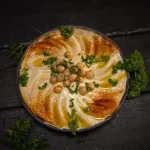
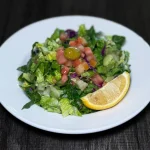
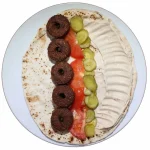





If you’ve ever looked at a Middle Eastern restaurant menu, you may have noticed Iraqi dishes listed alongside Mediterranean favorites like Hummus, Shawerma, and grilled Kabab.
That can raise an interesting question: What’s the difference between Iraqi food and Mediterranean food?
The answer starts with geography, history, and cooking traditions. Iraqi cuisine has its own identity, but it also shares ingredients, dishes, and preparation methods with other Middle Eastern cuisines.
Let’s explore what makes these food traditions different, where they overlap, and how you can experience both at Kababchi Grill in San Antonio.
What Is Iraqi Food?
Iraqi cuisine comes from Iraq, a country in the Middle East with a long history shaped by Mesopotamian, Arab, Kurdish, Persian, Turkish, and other regional influences.
Rice, bread, meat, vegetables, herbs, and spices are important parts of many Iraqi meals.
Traditional Iraqi dishes include:
- Masgoof: Fish traditionally cooked over an open fire, often associated with Iraqi food culture.
- Dolma: Vegetables or grape leaves filled with seasoned rice and other ingredients, sometimes including meat.
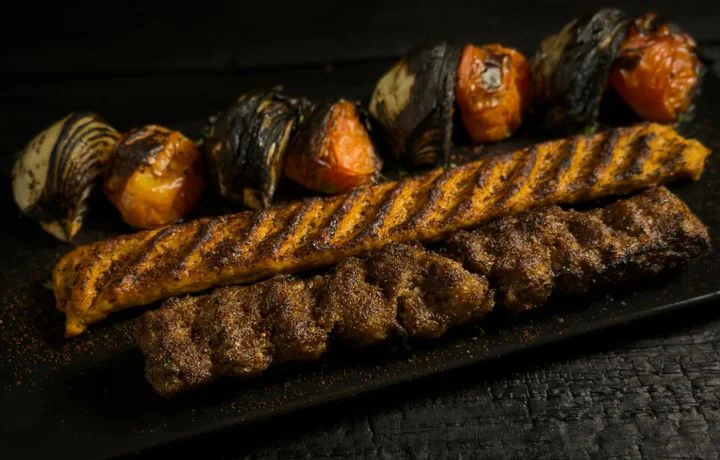
- Iraqi Kabab: Seasoned ground meat shaped onto skewers and grilled.
- Tashreeb: A dish in which bread absorbs a flavorful broth, often served with meat and vegetables.
- Quzi: A rice-and-meat dish, often featuring lamb and served for gatherings or special occasions.
These dishes reflect different parts of Iraqi food culture. Recipes and preparation methods can vary between regions and families.
What Is Mediterranean Food?
Mediterranean cuisine is a broad term for food traditions from countries surrounding the Mediterranean Sea.
It includes cuisines from places such as Greece, Italy, Spain, Turkey, Lebanon, and parts of North Africa.
There is no single Mediterranean menu or cooking style. Each region has its own ingredients, recipes, and traditions.
Common ingredients across many Mediterranean cuisines include olive oil, vegetables, legumes, grains, herbs, fish, and meat.
Some familiar dishes include:
- Hummus and other chickpea-based foods
- Grilled fish and meat
- Vegetable salads
- Stuffed grape leaves
- Flatbreads and grain-based dishes
Not every dish is found throughout the entire Mediterranean region. Some are closely associated with particular countries or communities.
Iraqi Food vs. Mediterranean Food: Key Differences
Although these cuisines share many features, they are not identical.
| Feature | Iraqi cuisine | Mediterranean cuisine |
|---|---|---|
| Geography | Originates in Iraq, in the Middle East | Covers many countries around the Mediterranean Sea |
| Food traditions | Includes Mesopotamian and regional Middle Eastern influences | Includes Southern European, Eastern Mediterranean, and North African traditions |
| Common staples | Rice, bread, meat, legumes, vegetables | Bread, grains, vegetables, legumes, olive oil, fish, and meat |
| Cooking methods | Grilling, roasting, stewing, baking, and rice preparation | Grilling, roasting, baking, stewing, and other regional methods |
| Example dishes | Masgoof, Iraqi Kabab, Tashreeb, Quzi | Hummus, Greek salad, various grilled dishes, regional breads |
These are broad comparisons, not strict rules. Both food traditions are diverse, and their ingredients and cooking methods overlap.
What Do Iraqi and Mediterranean Foods Have in Common?
1. Grilled Meats
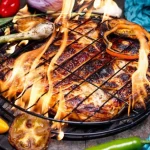
Grilling is an important cooking method in many Iraqi and Mediterranean food traditions.
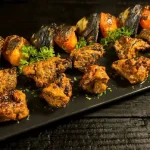
Iraqi-style Kabab and Tikka are examples of grilled meat preparations, while other Mediterranean cuisines have their own versions of skewered and roasted meats.
The seasonings, meat preparations, and serving styles can differ, even when the cooking method looks similar.
2. Rice and Bread
Bread is a common part of meals across Iraq and many Mediterranean countries.
Rice is especially important in Iraqi cuisine and is also widely used in several Eastern Mediterranean and neighboring food traditions.
The type of rice, preparation method, and accompanying dishes vary by region.
3. Herbs and Spices
Both cuisines use herbs and spices to build flavor.
Cumin, coriander, cardamom, turmeric, and sumac appear in different dishes across parts of the Middle East.
However, each cuisine has its own combinations and cooking methods. A spice used in one Iraqi dish may also appear in a Lebanese, Turkish, or other regional recipe.
The exact seasonings depend on the dish and the cook.
4. Shared Dishes and Regional Influences
Foods such as stuffed grape leaves, grilled meats, and yogurt-based sides appear in several cuisines across the region.
These similarities developed through centuries of trade, migration, neighboring cultures, and shared food traditions.
A dish can have different names, ingredients, and preparation methods depending on where it is made.
Is Iraqi Food Considered Mediterranean Food?
Geographically, Iraq is not a Mediterranean country because it does not border the Mediterranean Sea.
For that reason, Iraqi cuisine is more precisely described as a Middle Eastern cuisine.
However, Iraqi food shares many ingredients and culinary traditions with Eastern Mediterranean cuisines.
In restaurants, the word Mediterranean is sometimes used as a broad menu category that includes Middle Eastern dishes, even when those dishes come from countries outside the Mediterranean region.
That’s why you may see Iraqi-style grilled food served at a restaurant described as Mediterranean.
The restaurant’s label can help customers understand its general menu, but it does not mean every dish has the same cultural origin.
How Kababchi Grill Brings These Food Traditions Together
Kababchi Grill combines Mediterranean and Middle Eastern menu selections with Iraqi-style charcoal-grilling traditions.
Its menu provides examples of how different regional food traditions can come together in one dining experience.
Iraqi-Style Charcoal-Grilled Dishes
The Kabab (Kofta) selections use seasoned ground meat, while Tikka selections feature marinated pieces of meat.
These dishes reflect the restaurant’s Iraqi-style grilling influences.
Grilled Fish (Masgoof)
Masgoof is one of Iraq’s best-known traditional dishes.
Kababchi Grill offers Grilled Fish (Masgoof) on its menu, served with accompaniments including rice, salad, bread, pickles, Hummus, and Amba (Iraqi mango sauce).
The restaurant requires advance notice for this dish, so guests should review the current ordering details before planning a visit.
Mediterranean and Middle Eastern Appetizers
Alongside grilled meats, the restaurant serves Hummus, Baba Ghanouj, Muhammara, Tabbouleh, and Warak Inab (Dolma).
These dishes represent food traditions shared across different parts of the Middle East and Eastern Mediterranean.
For guests trying these cuisines for the first time, combining an appetizer with a grilled entrée is one way to explore different flavors.
What Should You Try First?
If you’re new to Iraqi-style or Mediterranean food, start with a dish that matches your preferences.
If you enjoy seasoned ground meat: Try Beef Kabab (Kofta).
If you prefer pieces of grilled chicken: Choose Chicken Tikka (Tawook).
If you’re curious about an Iraqi fish tradition: Explore Grilled Fish (Masgoof), remembering that advance notice is required.
If you enjoy dips and vegetables: Start with Hummus, Baba Ghanouj, or Muhammara.
If you’re dining with a group: Consider the Family Kabab Plate, which combines several grilled meat selections.
There’s no single dish that represents every part of Iraqi or Mediterranean cuisine. Exploring different foods is a better way to appreciate their variety.
Frequently Asked Questions
Is Iraqi food the same as Mediterranean food?
No. Iraqi cuisine has its own history and regional identity. It shares ingredients and cooking traditions with Mediterranean and other Middle Eastern cuisines, but the terms are not interchangeable.
Is Iraq part of the Mediterranean region?
No. Iraq is located in the Middle East and does not border the Mediterranean Sea.
What is a traditional Iraqi dish?
Masgoof, Iraqi Kabab, Dolma, Tashreeb, and Quzi are examples of traditional Iraqi dishes, although recipes vary by region and family.
Is Hummus an Iraqi dish?
Hummus is widely associated with Levantine and broader Middle Eastern food traditions. It is also enjoyed in Iraq and other countries. It should not be described as exclusively Iraqi.
Is Iraqi food always spicy?
No. Iraqi food uses a variety of herbs and spices, but that does not mean every dish is hot or chili-spicy. The level of heat depends on the recipe.
Can I try Iraqi-style food in San Antonio?
Yes. Kababchi Grill serves Iraqi-style charcoal-grilled meats and other Mediterranean and Middle Eastern dishes at its restaurant on Babcock Road in San Antonio.
Explore Iraqi-Style and Mediterranean Food at Kababchi Grill
Iraqi and Mediterranean cuisines have different geographic roots, but they share many ingredients, cooking techniques, and food traditions.
At Kababchi Grill, guests can explore Iraqi-style charcoal-grilled meats alongside Mediterranean and Middle Eastern favorites, from Hummus and salads to Kabab, Tikka, and Masgoof.
Visit Kababchi Grill at 5500 Babcock Rd, Suite 102, San Antonio, TX 78240.
Explore the food menu or call (210) 960-9999 to learn more about the available dishes and plan your visit.